Services
Enhance your oral health with expert bone grafting services in Cincinnati, ensuring long-term dental stability and comfort.
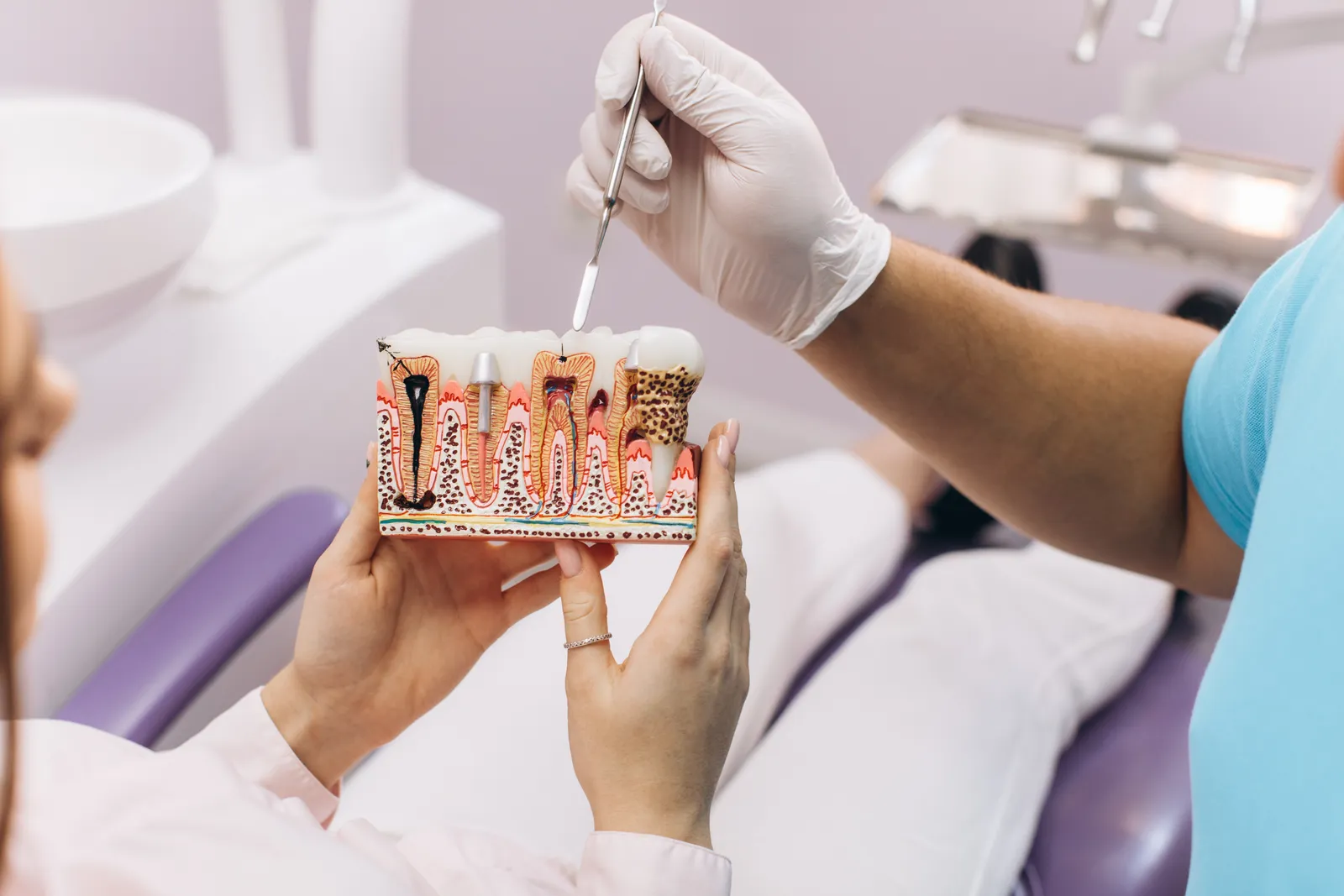
Bone grafting is a critical procedure that supports dental implants and restores lost bone in the jaw. This technique is essential for patients experiencing bone loss due to periodontal disease, trauma, or congenital conditions. At MK Dental Excellence, we offer a comprehensive approach to bone grafting, ensuring that you receive the best care tailored to your needs.
Loss of bone can significantly impact your oral health, making everyday activities like eating and speaking challenging. It may also affect your facial structure, leading to a sunken appearance. Our goal is to restore your bone health, which not only enhances functionality but also boosts confidence and improves your quality of life.
Our approach involves a thorough diagnostic process to assess the extent of bone loss and determine the most effective treatment plan. Using state-of-the-art technology and techniques, we provide bone grafting solutions that pave the way for successful dental implants and long-term oral health.
Bone loss can manifest in various ways, and recognizing the symptoms early can prevent further complications. Here are some signs that you may need bone grafting:
If you experience any of these symptoms, it's crucial to seek professional evaluation to prevent further bone deterioration and maintain your oral health.
Several factors can contribute to bone loss, often working in tandem to exacerbate the condition. Understanding these can help in developing a targeted treatment plan.
Gum disease is a leading cause of bone loss. It damages the tissues that hold your teeth in place, leading to bone deterioration.
Following tooth loss, the jawbone can begin to deteriorate if not replaced with an implant or grafting procedure.
Injuries to the jaw can damage the bone and surrounding tissues, often leading to bone loss over time.
Some individuals are genetically predisposed to weaker bone structures, which can increase the risk of bone loss.
Smoking can impede blood flow and healing in the gums, leading to increased bone loss.
Bone density naturally decreases with age, making older individuals more susceptible to bone loss.
Our patient-centered bone grafting process is designed to deliver lasting results through meticulous care and expertise.
We begin with an in-depth consultation to understand your unique needs and discuss your goals for treatment.
Our team performs a detailed assessment using advanced imaging technology to evaluate the condition of your jawbone.
Based on our findings, we develop a personalized treatment plan tailored to your specific condition and recovery goals.
Our experienced team performs the bone grafting procedure with precision and care, ensuring your comfort throughout the process.
We provide continuous support and follow-up care to monitor your healing and ensure optimal outcomes.
Bone grafting offers a range of benefits that go beyond simple restoration to enhance your overall dental health and quality of life.
By restoring lost bone, we help prevent further dental issues and maintain the health of your remaining teeth and gums.
Bone grafting can improve facial structure and appearance, reducing the sunken look associated with bone loss.
Creating a strong foundation for dental implants, bone grafting ensures the long-term success and stability of your new teeth.
With improved functionality and appearance, patients often experience a boost in confidence and quality of life.
Bone grafting involves the transplantation of bone tissue to regenerate and repair diseased or damaged bone. The graft serves as a scaffold onto which new bone can grow, filling gaps and supporting the surrounding structures.
By integrating with existing bone, grafts enhance structural integrity and promote the natural healing process. This integration is crucial for the success of future dental procedures, including the placement of dental implants.
Understanding the biomechanics of bone grafting allows us to tailor our approach, ensuring that each patient receives the most effective and personalized care possible, leading to optimal outcomes and restored oral health.
Incorporating certain habits into your daily routine can enhance the effectiveness of bone grafting and support your overall oral health.
Regular brushing and flossing can prevent infection and support the healing process after a grafting procedure.
A diet rich in calcium and vitamin D supports bone health and promotes the integration of the graft.
Refraining from smoking can improve blood flow to the gums, aiding in recovery and graft success.
Proper hydration is essential for maintaining healthy tissues and supporting the body's natural healing mechanisms.
Routine visits to your dentist can help monitor your bone health and ensure the ongoing success of the graft.
Wearing a mouthguard during physical activities can protect your teeth and jaw from injury.
These habits complement professional care, helping to ensure the long-term success of your bone grafting treatment.
"At MK Dental Excellence, we are committed to providing personalized, compassionate care to restore your oral health and enhance your quality of life."
Find answers to common questions about bone grafting and how it can benefit your oral health.
BOOK YOUR VISIT
Join the Cincinnati families who trust MK Dental Excellence. New patients and emergencies are always welcome.



 (513) 613-4071